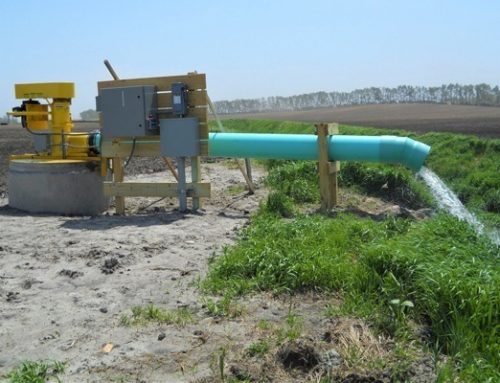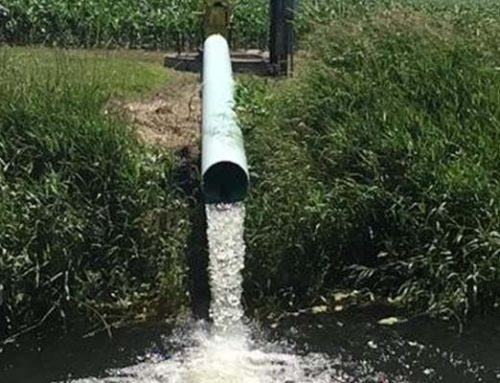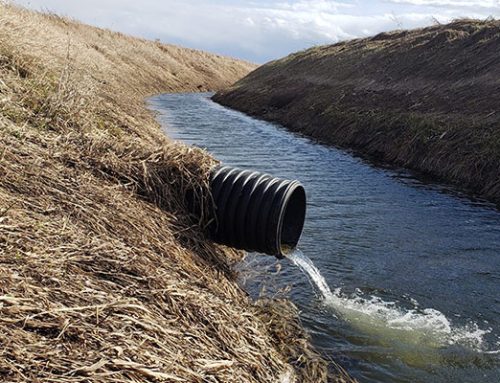
Heavy rain can leave the field looking like it’s auditioning for a pond role. The clouds move on, the sun comes back, and a few acres still refuse to dry out. When soft ground, standing water, and delayed access start stealing workable days, agricultural drainage in Minnesota becomes less about ‘getting rid of water’ and more about protecting timing.
Dry-down speed can reveal how water moves below the surface, how the soil responds after pressure, and where the field may need stronger drainage support.
Slow Dry-Down Can Delay the Next Field Pass | Agricultural Drainage in Minnesota
Field dry-down speed matters because it affects access, crop timing, soil conditions, and how quickly farmers can return to work after heavy rain. Surface puddles may get the attention first, but soft ground can cause just as much trouble.
Wet spots can slow spraying, sidedressing, cultivation, repair work, and other ag operations. They can also limit equipment movement or increase compaction risk. A few lost workable days can push the next pass into a tighter, less forgiving weather window.
Also Read: Why Delayed Field Access Can Point to Drainage Weakness
Standing Water Points to More Than a Low Spot
Water lingering in the same acres can point to more than ‘that spot always stays wet’.Farmers looking into agricultural drainage in Minnesota may be trying to understand why certain rows stay saturated after the rest of the field firms up.
Common causes can include:
- Slow or blocked outlet performance
- Tile damage or spacing issues
- Compaction from repeated traffic
- Soil structure challenges
- Drainage design gaps
In Agriculture, productive land depends on water moving at the right pace, not just eventually disappearing.
Better Drainage Supports Stronger Crop Management | Agricultural Drainage in Minnesota
Excess moisture doesn’t just make a field annoying to work. It can affect root development, crop stress, and how evenly plants grow across the field.
Good agricultural water management helps create better conditions below the surface, where a lot of crop success quietly begins. Drainage can support improved soil structure, help conserve soil nitrogen, improve phosphorus fertilizer efficiency, and reduce problems tied to waterlogging, leaching, or salinization.
Drainage Design Should Fit the Field, Not Guesswork
No two fields dry down the same way. Slope, soil type, tile history, outlet conditions, low areas, and crop needs can all change how water should move after heavy rain.
Professional agricultural drainage in Minnesota should start with the field itself, not a copy-paste layout. On-site evaluations can help collect better data for estimates, design, installation, troubleshooting, and repair planning.
What to Watch After the Next Heavy Rain
After the next heavy rain, don’t just wait for the field to ‘look better’. A quick notes pass can show where drainage support may need attention.
Track details like:
- Which areas stay wet the longest
- Where equipment leaves tracks or ruts
- Rows showing uneven growth or stress
- Outlets that seem slow, blocked, or inconsistent
- Patterns that repeat after multiple rain events
Those repeated clues can make a drainage evaluation much more productive.
Get More Workable Days Back After Heavy Rain
If wet acres keep stealing time after heavy rain, our team can help you look at the field, the outlet, the tile history, and the next practical drainage move. Hodgman Drainage has served farmers and landowners since 1982, bringing Midwest ag drainage experience, trained staff, and modern equipment to every project.
Show us where the field stays wet, and we’ll help you plan with fewer guesses — start with a quote at (507) 528-2225.